
Greece has a way of pulling people back for more. Sun-baked ruins, white villages and clear blue coves sit close to each other. Greece tours make that mix simple for couples, families, friends traveling together and solo visitors. A good guide ties the stories, the roads and the boats into one smooth trip.
This guide shows what to see, which kinds of trips people pick and what comes with each one. It covers the Cyclades, the classical sites, Athens, and the big islands of Crete, Rhodes and Corfu. The travel notes at My Greece Tours add even more practical ideas for every stop along the way.
How Should You Plan Greece Tours In The Cyclades?
Plan Greece tours in the Cyclades around the ferry routes and pick a few islands that sit close together. Balance lazy boat days with village walks. Travel sites such as Greece tours and Tours In Greece share route ideas for every kind of traveler. A slow pace leaves room for swims, sunsets and long lunches.
Which landmarks are worth the trip in the Cyclades?
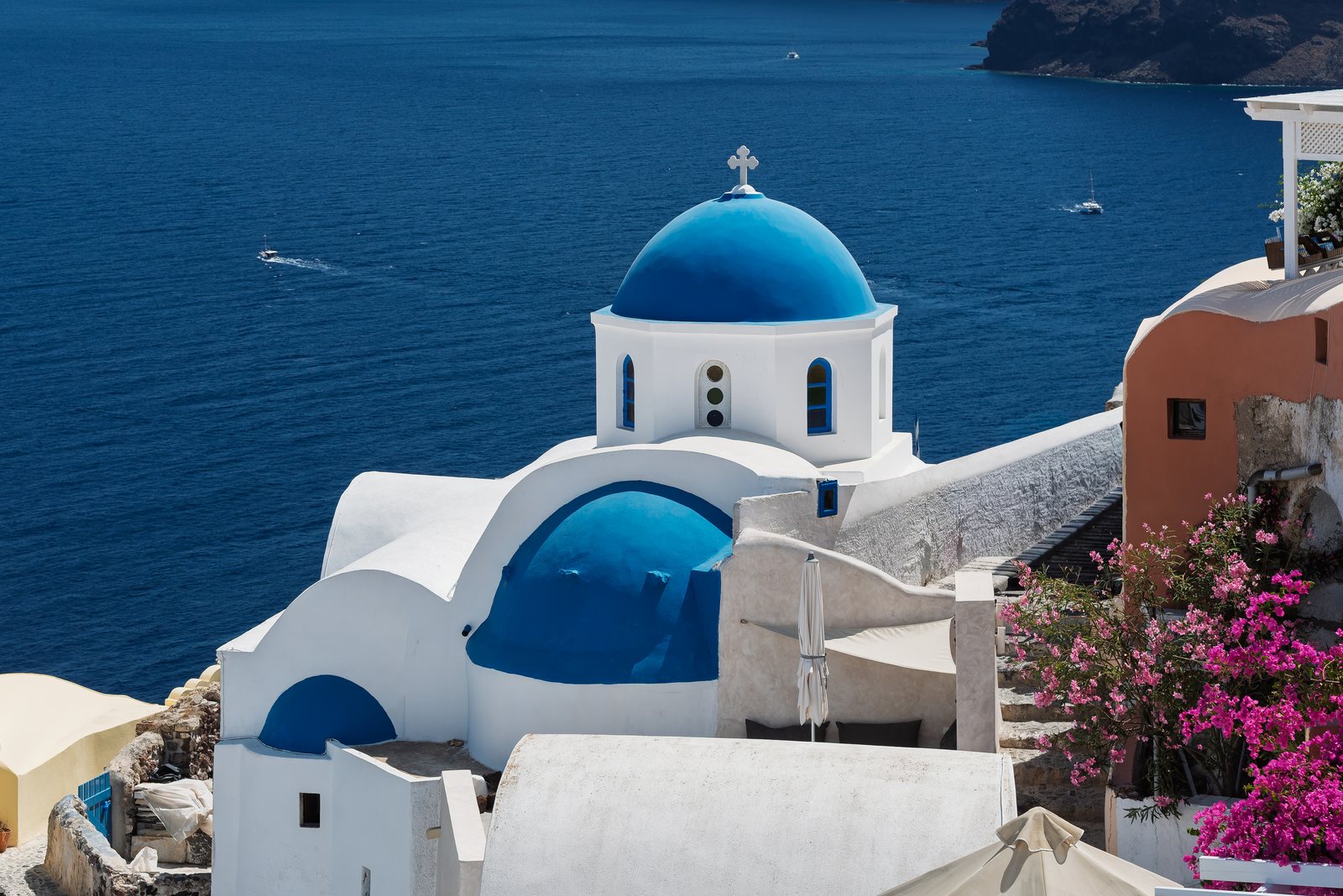
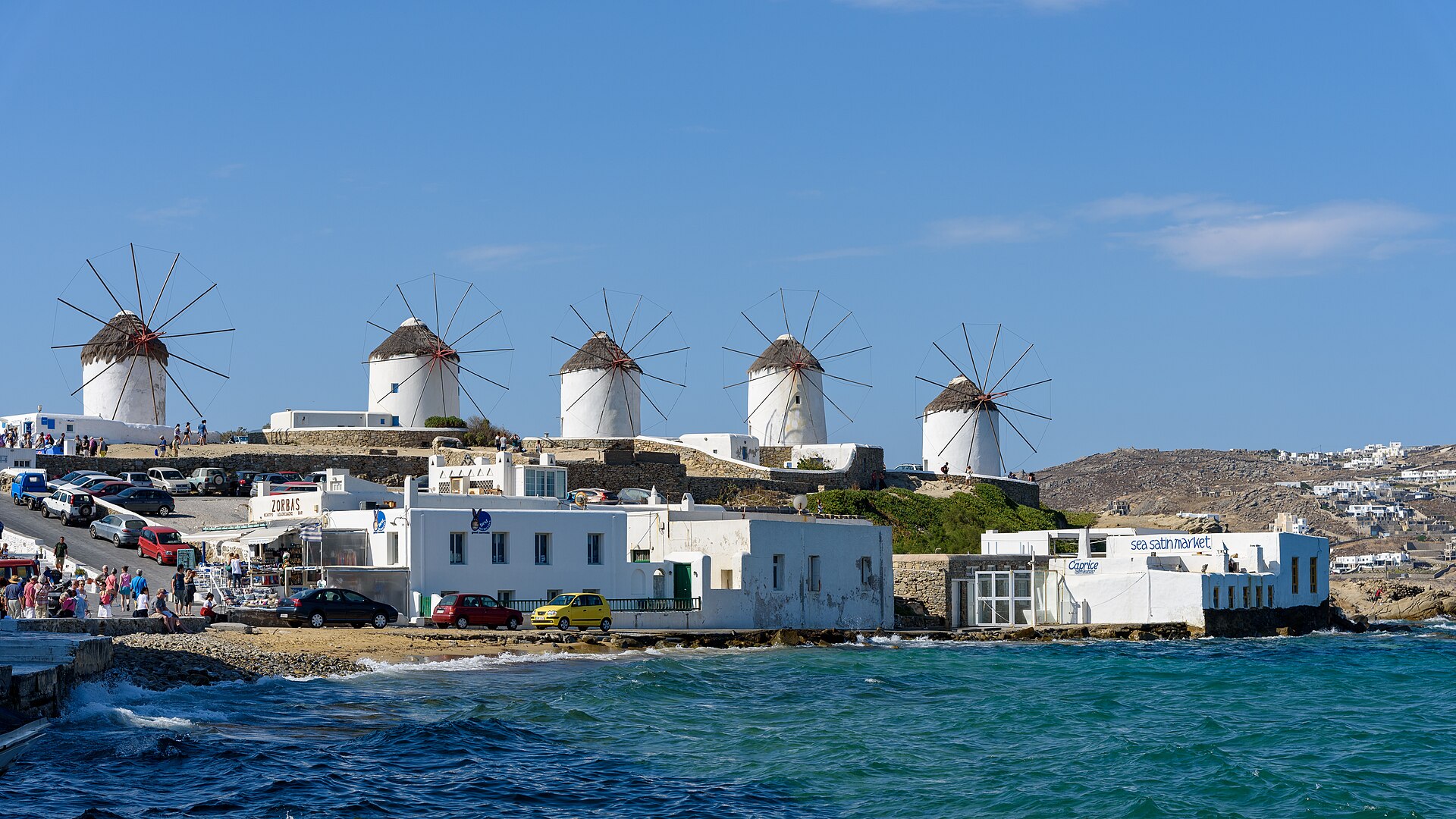
Santorini is the island most people picture first. Its villages cling to the rim of a giant sea cliff, formed when an old volcano blew apart. White houses and blue domes spill down the rock. Mykonos answers with a row of white windmills on a ridge above Little Venice, where waves splash the balconies.
Many Greece tours hop from Mykonos to Delos, a small island that was once a holy place for the ancient Greeks. They believed the gods Apollo and Artemis were born there. Today, marble lions, mosaic floors and broken temples cover the island. Nobody lives there now, so the silence feels deep and strange.
Milos has sea caves and pale, moon-like rocks. Boats slip into Kleftiko, where pirates once hid between the cliffs. On Naxos, the old town climbs to a castle through narrow lanes and arches. On Paros, fishing boats bob in Naoussa harbour beside cafés and the ruins of a fort built by traders from Venice.
Which Greece tours work best in the Cyclades?
Private Greece tours with a driver-guide on land or a skipper at sea suit couples and families who want their own pace. The price covers the whole car or boat, not each seat, so it works well for parents with kids. Friends traveling together like the freedom to stop wherever a beach looks good.
Boat cruises with swim stops are the easy favourite. Guests lounge on deck, then jump into clear water near caves and hidden beaches. Solo visitors meet other travelers without any fuss. Full-day trips from Athens start with a coach ride to the port and a fast ferry out, which helps visitors short on time.
Snorkel and beginner scuba trips suit active teens, curious kids and anyone keen to try something new. Patient instructors explain each step in calm, simple words before anyone goes under the surface. Cooking classes and wine tastings, especially on Santorini, please food lovers and couples looking for a slower, tastier afternoon away from the beach.
Which inclusions matter on Greece tours in the Cyclades?
Food is a big part of Greece tours on the islands. Many boat days serve lunch on board or a BBQ meal of grilled fish, chicken and fresh salad. Some trips pour unlimited drinks, from soft drinks to local wine. That means less to pack and no need to hunt for a café at sea.
A licensed or local guide turns a pretty view into a real, living story. They point out where pirates hid, how the islands formed and which village bakes the best cheese pie. Snorkel gear comes with most boat trips, so nobody needs to carry masks and fins from home in a heavy suitcase.
Swim stops are the best moment of the day for many guests, in water so clear the seabed looks close enough to touch. Free time to explore lets travelers wander a village and browse little shops at their own speed. Wine tastings on volcanic soil add a calm, tasty end to the day for adults.
How can you enjoy the Cyclades more?
Early starts beat the heat and the crowds at the cliff villages. Sunset spots fill fast, so arrive early or watch from a quieter terrace. The wind can make the sea choppy, so travelers prone to seasickness should take a remedy before boarding. Anyone still choosing can browse these top Greek islands to visit.
Pack a hat, strong sunscreen, sunglasses and a light layer for the breeze on deck. Wear sandals with grip, because village steps are smooth and steep. Bring a reusable water bottle, a dry bag for phones and some cash for small cafés. A small towel helps after swims and makes a seat on hot rocks.
Which Greece Tours In The Classical Sites Suit Every Traveler?
Greece tours in the classical sites suit every traveler because a guide brings old stones to life. Pick Delphi and Meteora for drama, or the Peloponnese for myths. History fans love the detail, and kids enjoy the legends of heroes and monsters. Good walking shoes matter more than anything else on these dusty hills.
Which landmarks are worth the trip in the classical sites?
Delphi clings to a mountain slope above a sea of olive trees. The ancient Greeks called it the centre of the world and came to hear the oracle, a priestess who passed on Apollo’s advice. Further north, the monasteries of Meteora sit on top of tall rock towers, built by monks seeking peace and safety.
Many Greece tours to the Peloponnese, the large peninsula south of Athens, stop first at the Corinth Canal. Its walls drop straight down to a thin ribbon of blue water. Next comes Mycenae, a hilltop citadel, or fortress town, linked to the legend of King Agamemnon. Visitors still walk in through the stone Lion Gate.
Epidaurus was a healing centre. Its theatre is so well built that a coin dropped on stage rings out to the top seats. Nafplio, a pretty harbour town, makes a lovely lunch stop with its hilltop castle and elegant seafront. Ancient Olympia shows the stadium where the Olympic Games began, held to honour Zeus.
Which Greece tours work best in the classical sites?
Full-day trips from Athens by coach are the easy way to see Delphi or the Peloponnese sights. The coach is comfortable, the route is set, and the guide handles every detail. These Greece tours suit first-time visitors and anyone who prefers not to drive on twisting mountain roads. Many routes pause at a scenic lookout.
Small tours with only a handful of guests feel more personal. There is more time for questions, and the van can stop at a village bakery on a whim. Couples and solo visitors enjoy this relaxed style most. Guided walking tours inside each site suit curious minds who want every story told well.
Multi-day tours with hotel nights link Delphi, Meteora and Olympia without rushed returns to Athens. Families like unpacking just once while someone else plans the route and the stops. Entry tickets alone suit confident travelers who rent a car and like to explore at their own pace, with a good map in hand.
Which inclusions matter on Greece tours in the classical sites?
A licensed guide is the real treasure on Greece tours to ancient sites. Greek guides train hard before they earn their official badge. They explain what a broken column once held up and why a temple faced a certain way. Without that expert voice, many ruins look like simple piles of scattered stone.
Entry tickets included in the booking save precious time at busy gates. Instead of waiting in a long line under the sun, travelers walk straight in with their guide. That matters most at Delphi and Mycenae, where shade is scarce and the paths climb uphill. It also leaves more energy for the views.
Hotel nights on multi-day trips take away the stress of finding beds in small towns. Rooms sit close to the sites, so mornings start early and calm. Nobody hunts for a room after dark. Travelers can also wake up near Meteora and watch the rocks glow at dawn, which is a sight few forget.
How can you enjoy the classical sites more?
Arrive at the gates as soon as they open, since the sun climbs fast and the stone paths reflect the heat. Spring and autumn feel even gentler. Delphi and Mycenae involve uphill walks, so take them slowly and rest in the shade. Meteora’s monasteries ask visitors to dress modestly, with shoulders and knees covered.
Comfortable shoes with good grip make the biggest difference on worn marble steps. Bring water, a hat and sunscreen, because many sites have little shade. A light scarf works as sun cover and as a wrap at the monasteries. Reading a short myth before each visit makes the ruins far more fun for kids.
Where Do Greece Tours Go In Athens?
Greece tours in Athens climb the Acropolis, roam the old streets below it and end at the sea temple of Poseidon. The city packs ancient wonders, lively food streets and easy sea trips into one compact, friendly base. It works well as the opening chapter of any trip to Greece, short or long.
Which landmarks are worth the trip in Athens?
The Acropolis rules the Athens skyline from its rocky hilltop. Its crown is the Parthenon, a marble temple built for Athena, the city’s protector goddess. Beside it stands the Erechtheion, where stone maidens called the Caryatids hold up the roof. Below the rock, the bright Acropolis Museum keeps the original statues safe from the weather.
Greece tours then drop into the Ancient Agora, the old market square where Athenians shopped, voted and argued about ideas. Socrates, the great thinker, once walked these paths. Nearby, the giant columns of the Temple of Olympian Zeus show how big the ancient builders dreamed. Then the lanes of Plaka and Monastiraki take over.
Plaka is the old quarter, with flower-filled steps, small churches and shady cafés. Monastiraki next door buzzes with a flea market and street food. Lycabettus Hill gives a wide view over the rooftops all the way to the sea. Out on the coast, the Temple of Poseidon at Cape Sounion glows gold at sunset.
Which Greece tours work best in Athens?
Guided walking tours are the classic way to meet Athens. A local guide leads the climb up the Acropolis and weaves through Plaka with stories at every corner. First-time visitors, solo travelers and history fans get the most from this style. This Athens itinerary for first-timers helps fill the rest of the stay.
Private Greece tours with a driver-guide suit families with young kids or travelers who tire in the heat. One price covers the whole car, and the driver waits at each stop. Coastal drives to Cape Sounion feel relaxed this way. A skipper can also take a private boat out along the Athens Riviera.
Boat cruises with swim stops leave the city heat behind for the islands of the Saronic Gulf. Couples and friends traveling together love a carefree day of sun, sea and island cafés. Cooking classes and wine tastings fill a relaxed evening with Greek flavours, and they suit food lovers who enjoy hands-on fun.
Which inclusions matter on Greece tours in Athens?
A licensed guide matters a lot on the busy slopes of the Acropolis. Only licensed guides may lead tours inside the site, and they know the quickest paths past the crowds. They also share the myths that make the marble speak, which keeps kids and adults hooked from the gate to the top.
Lunch on Greece tours around Athens means a table at a seaside taverna or a BBQ meal on a sunny boat deck. Some cruises add unlimited drinks, so nobody worries about the bill after a long swim. Swim stops in calm coves cool everyone down after a morning spent among hot, dusty city ruins.
Wine tastings round off cooking classes or countryside trips with crisp local whites and smooth reds. A friendly host explains how each grape grows in dry, stony Greek soil. These moments give travelers a taste of daily life, not only the famous ruins, and they make a gentle end to a busy day.
How can you enjoy Athens more?
Visit the Acropolis right at opening time or late in the day, when the light is soft and the rock is cooler. Midday is best spent inside the cool Acropolis Museum, out of the harsh sun. Evenings in Plaka are lively and pleasant for families and couples alike. Early risers also get clearer photos.
Wear shoes with grip, since the marble paths on the hill are worn smooth and slippery. Carry water, a hat and sunscreen, and keep a small bag close in busy Monastiraki. A metro card makes hopping between sights cheap and easy. Leave space in the plan for a sunset trip out to Sounion.
Which Greece Tours In Crete, Rhodes And Corfu Do Travelers Remember?
The Greece tours travelers remember most here mix ancient palaces, castle towns and boat trips to bright lagoons and caves. Each big island offers its own flavour. Crete leans toward ancient myths and wild, sandy beaches. Rhodes and Corfu feel like living history books, full of thick walls, gates and quiet stone lanes.
Which landmarks are worth the trip in Crete, Rhodes and Corfu?
On Crete, Knossos sits just outside the busy city of Heraklion. It was the grand palace of the Minoans, an early people of Europe, and the home of the Minotaur myth. Painted walls and red columns help visitors picture royal life. To the west, Chania curls around a harbour built when Venice ruled Crete.
Boats from western Crete sail to Balos, a lagoon of pale sand and shallow water in shades of turquoise. Travelers who want quieter corners can read about these hidden gems in Crete. On Rhodes, the Street of the Knights runs uphill through the old town, lined with stone inns where knights once lived.
Greece tours on Rhodes also reach Lindos, where an acropolis, or high fortress, crowns a rock above a white village. On Corfu, grand fortresses guard the old town, its leafy squares and its arched streets. Further south, boats from Zakynthos glide into the Blue Caves, where sunlight turns the water a glowing blue.
Which Greece tours work best in Crete, Rhodes and Corfu?
Private Greece tours with a driver-guide suit families and couples who want to cover Crete’s long roads in comfort. The price is set for the whole car, so kids, grandparents and friends ride for one fee. On the water, a skipper can steer a private boat to quiet beaches that coaches never reach.
Boat cruises with swim stops are the top choice for Balos and the Blue Caves. Friends traveling together and solo visitors share the deck and the fun. Kids love spotting fish from the rail. Guided walking tours suit history lovers in Rhodes old town, Corfu town and Chania, where every lane hides a tale.
Entry tickets alone suit independent travelers who like to explore Knossos or Lindos at their own pace and linger. Cooking classes and wine tastings in traditional Cretan villages please food lovers and couples. Full-day trips from Athens by coach work best as a mainland warm-up before flying or sailing out to the islands.
Which inclusions matter on Greece tours in Crete, Rhodes and Corfu?
Boat days on Greece tours here come with lunch on deck or a BBQ meal on a quiet beach. Some cruises include unlimited drinks, which keeps everyone cool and cheerful in the strong sun. Swim stops are the heart of these trips, with clear water that feels perfect after a hot morning on land.
A licensed or local guide brings Knossos to life, since its ruins can puzzle first-time visitors. Guides explain the myth of the Minotaur, the maze and the clever palace plumbing. Kids love the story of the hero Theseus. Entry tickets bundled into the tour mean no queue at busy gates in high season.
Wine tastings matter far more than many travelers expect. Crete grows its own grapes, and village hosts pour local wine while sharing stories about each harvest. That relaxed hour becomes the warmest memory of the whole trip for plenty of guests. It suits couples and food lovers who like slow, simple pleasures.
How can you enjoy Crete, Rhodes and Corfu more?
Book boat trips to Balos and the Blue Caves for calm mornings, because wind can close the sea routes. Reach Knossos and Lindos early, before the large cruise ship crowds arrive in town. On Rhodes, the walk up to the Lindos acropolis is steep, so take it slowly, wear a hat and carry water.
Pack reef-safe sunscreen, water shoes for pebbly beaches and a light cover-up for village visits. A dry bag keeps phones and cameras safe on boat days. Distances on Crete are long, so pick one area at a time rather than racing across the island. Corfu rewards slow evenings in the elegant old town.
Conclusion: Greece Tours, Planned Well
Greece tours reward travelers who plan around what they truly love most. Island fans can chase blue water and white villages in the Cyclades, while history lovers walk among oracles, kings and monks on the mainland. Athens ties it all together, and the big islands add castles, caves and lagoons to the mix.
Couples, families, friends and solo visitors can shape the same country in very different and equally happy ways. Those who want full control over timing and stops can read this guide to Greece private tours. Whatever the style, the best Greece tours leave room for long lunches, slow swims and one more sunset.
Frequently Asked Questions About Greece Tours
Do Greece tours include a guide?
Most guided Greece tours include a licensed or local guide, and only licensed guides may lead visitors inside major ancient sites. Boat cruises have a friendly crew who share local tips, swim spots and island stories instead. Travelers who book entry tickets alone explore without a guide, at their own comfortable pace.
Can Greece tours be private?
Yes, many trips run as private tours with a driver-guide on land or a skipper at sea. The price covers the whole car or boat, not each individual person. This suits families with young kids, couples on a special trip and anyone who wants a flexible, unhurried plan with room for surprises.
Can Greece tours mix islands and ancient sites?
Yes, and that easy mix is what makes the country so special for visitors. A classic route pairs Athens and Delphi with a few Cyclades islands, or the palace of Knossos with the beaches of Crete. Multi-day tours with hotel nights make the switch from ruins to beaches smooth and easy for everyone.
Which month suits Greece tours best?
June suits most travelers best, with a warm sea, long sunny days and historic sites that are not yet packed. September is a close rival, because the sea stays warm after summer and the crowds slowly thin out. July and August bring the strongest heat, the busiest gates and the fullest ferries.
Are Greece tours good for couples?
Greece is one of the most romantic places in Europe, with soft light and slow evenings. Couples love sunset views on Santorini, wine tastings on the islands and private boat trips to quiet coves. Small guided tours and cooking classes also give couples shared, memorable moments without any planning stress at all.
Which season is quietest for Greece tours?
Late autumn and early spring are the quietest times, with mild weather and empty paths. Sites like Delphi and the Acropolis feel calm and spacious, and good hotels are easier to book. Fewer island boat trips run in those months, so the mainland and Athens make the best base for a peaceful visit.
How do you manage tickets for Greece tours?
The simplest way to manage tickets for Greece tours is to check what each tour includes, then book entry to busy sites ahead. Keeping phone and paper copies saves stress at gates, ports and meeting points. A little organization before departure makes every day run more smoothly.
Check what each tour covers
Some Greece tours include entry to the ancient sites, while others cover only the guide and transport. The tour page or booking email states this clearly, so travelers should read it before paying. If entry is not included, visitors buy their own ticket and meet the guide at the gate.
Inside Greek archaeological sites and museums, only state-licensed guides may lead tours. A good tour names its guide or confirms the license in the booking details. This regulation keeps information accurate and helps protect the ancient monuments.
Young visitors from the European Union often get free or cheaper entry at state sites. They need an ID card or passport to prove their age at the gate. Families with teens should pack these papers, since staff check them before letting anyone through.
A combined ticket also covers several sites in central Athens, which saves time at each entrance. Travelers on self-guided Greece tours find it handy for the Ancient Agora, the old market square, and the nearby ruins.
Keep tickets safe and ready
Most tickets for Greece tours now arrive as a code by email or text message. Saving each one to the phone, plus a screenshot, keeps it usable when the signal drops on a hill. A printed copy in a bag pocket makes a smart backup.
Busy places such as the Acropolis, the old hilltop fortress of Athens, use timed entry. Each ticket shows a set time slot, and arriving a little early helps visitors pass the checks. Missing the slot can cause difficulties at the entrance, so the plan should leave spare time.
Ferry tickets for island days on Greece tours often come separately from the tour itself. Port staff scan the code at the ramp before boarding. Getting to the port early matters, since ferries load quickly and the queues grow fast.
Not every day of the holiday needs a ticket, and that helps the travel budget. Walks on the top hiking trails in Greece need only good shoes and water. Paid outdoor adventure activities, like kayaking or rafting, still need a booking and a ticket code.
How do you budget for Greece tours?
Budgeting for Greece tours works best by splitting costs into tours, site tickets, food, transport and extras, then setting a daily limit. This simple plan shows where money goes and where it can stretch. It also stops one big day from eating the whole trip fund.
Choose where to spend and where to save
Private Greece tours cost more than shared ones, but they suit travelers who want their own pace. Shared tours spread the guide’s time across more people, so each seat costs less. Many visitors mix both and save the private option for one special day.
Multi-day Greece tours bundle hotels, transport and guiding into one package price. This often costs less than booking every piece separately, and it saves planning time. Travelers who prefer freedom can instead book single day tours and arrange everything else themselves.
The season of travel changes prices across the country a great deal. Hotels, boats and many Greece tours cost more in high summer than in spring or autumn. Traveling in the quieter months often brings lower prices, softer heat and fewer visitors at the major monuments.
Islands tend to cost more than mainland towns, since most goods arrive by boat. Athens, Thessaloniki and small mainland villages give good value for food and rooms. A trip that mixes island days with mainland days keeps the overall spending balanced.
Keep daily costs low
Food is one of the easiest places to save money on a longer holiday. Bakeries, souvlaki shops selling grilled meat on a stick, and family tavernas serve filling meals for far less than seaside restaurants. A guide to Greek food to try helps travelers order well without overspending.
Many memorable experiences in Greece cost nothing at all. Old town walks, harbor views and swims at the top beaches in Greece are free. Village squares also host free music and dancing during Greek festivals through the year.
Small everyday habits add up quickly over a long trip. A few simple ones keep costs down on Greece tours without spoiling the fun.
- Carry a refillable water bottle.
- Eat where locals eat, a street back from the sea.
- Use city buses and the Athens metro.
- Buy fruit and snacks at local markets.
- Pick ferries over flights when time allows.
Tipping a guide is common in Greece, but it is not required. A small cash tip at the end of a good day is enough. Adding a little room for tips to the daily limit keeps the budget honest.
How early should you book Greece tours?
Travelers should book Greece tours for high summer weeks or months ahead, while spring and autumn trips allow booking just a few days before. The busiest tours, such as sunset sails and Acropolis visits, fill first. Quieter months give far more choice in times and available guides.
Book the busy season early
In high summer, demand for Greece tours climbs fast, and the best time slots go first. Morning visits to big sites are popular because they beat the midday heat. Booking early secures these cooler hours and a wider choice of guides.
A sensible booking order is flights first, then ferries and rooms, then Greece tours and special meals. Following this order means each tour fits neatly around fixed travel times. It also stops travelers from paying for an excursion they cannot reach.
Island trips also need early plans, since ferries and island rooms fill up. Travelers who lock in the ferry first can then build Greece tours around those days. This order avoids an excellent tour that conflicts with a ferry that is already full.
Some dates draw extra crowds, like Greek Easter and the big summer holidays. A list of seasonal events in Greece shows when towns get busy. Checking it before booking helps travelers either join the fun or avoid the rush.
Leave room to change plans
Many Greece tours offer free cancellation up to a set time before the start. Picking these options lets travelers book early without losing money if plans change. The cancellation terms sit on the booking page, so they deserve a careful read.
Weather matters too, especially for boat trips and island excursions. Strong summer winds, called the meltemi, can stop sailings on the Aegean Sea. Booking sea trips early in the stay leaves spare days to rebook if a boat cannot leave.
In spring and autumn, waiting a little is fine, as most Greece tours still have space. Reading about the best time to visit shows which months stay calm and mild. Anyone planning a trip for family or friends can find timing tips in this guide for trip organizers.
How do couples pick Greece tours?
Couples pick Greece tours by matching a shared interest with a relaxed pace and a few private moments, like a sunset sail. The right mix keeps both partners happy and relaxed. It also leaves time for slow meals, evening walks and long conversations.
Find a shared interest
Couples who love the past can choose Greece tours of the ancient sites with a licensed guide. Food lovers can try cooking classes or wine tastings on the islands. Those who enjoy nature can pick from coastal walks, swims and boat days.
Active couples often enjoy Greece tours that mix sport and scenery. Kayaking along sea cliffs, hiking a gorge or cycling between villages makes for shared stories. Partners with different energy levels can split a day, then meet again for dinner.
Local culture also brings couples closer to everyday Greek life. A village feast for a saint’s day, called a panigyri, means music, dancing and food under the trees. Learning about local Greek traditions before the trip helps couples join in with ease.
Plan time alone
Private Greece tours suit couples who want quiet time and flexible stops. The guide adjusts the pace, and the day can pause for a swim or a long coffee. Even one private day in a longer itinerary feels special.
Evening plans matter as much as daytime visits on a romantic holiday. Santorini and Milos are famous for sunsets, but many smaller islands are calmer. A guide to the best sunset spots helps couples find a peaceful view away from the crowds.
A boat day gives couples space and fresh sea air. Sailing holidays in Greece range from a short day cruise to a full week between islands. Couples new to sailing can join a boat with its own captain, so no sailing skill is needed.
Good Greece tours for couples leave gaps in the day for rest. A slow lunch by the water or an hour in a quiet chapel often becomes the best memory. Planning fewer stops gives every place more time to feel personal.
Which Greece tours suit families?
Families do best on Greece tours that are short, story-led and mixed with beach time, so children stay curious and nobody gets too tired. Half-day trips with clear breaks work better than long, packed days. A slower pace also gives parents more time to enjoy the views.
Pick tours that tell stories
Children connect with ancient places through stories far more than through dates. The best Greece tours for families turn heroes, gods and monsters into lively tales on site. Reading about the top Greek mythology sites before the trip helps kids spot where each legend happened.
At Olympia, home of the first Olympic Games, visitors can stand on the old running track. Many children love racing a few steps on the same ground as ancient athletes. On Crete, the palace of Knossos links to the myth of the Minotaur, a half-bull monster in a maze.
Parents can prepare kids with a few simple facts before leaving home. A short read about Greek history worth knowing turns names like Athens and Sparta into real places. Children who know a little in advance ask better questions and stay interested longer.
Museums also work well for families when the visit stays short. Good Greece tours for families focus on a few star objects, such as golden masks, painted pots or bronze statues. Kids then remember a handful of treasures instead of feeling lost among long rows of glass cases.
Keep the day easy for everyone
Ancient sites usually have uneven stones, steep paths and limited shade. A baby carrier works far better than a stroller on most ruins. A practical guide to ancient Greek ruins shows which places have gentler paths and where to find shade.
Summer heat is strong, so the best Greece tours for families start early or late. Midday works well for a swim, a long lunch or a rest at the hotel. Boat trips with swimming stops also suit children, since the day mixes travel and play.
A small day bag helps families on Greece tours handle long hours outside. These items make the biggest difference.
- Hats and strong sunscreen
- Refillable water bottles for everyone
- Light snacks for the drive
- Comfortable shoes with good grip
- A swimsuit and a small towel
Families should mention the ages of their children when booking. Guides then adjust the walking pace and choose the right stops. Drivers on private Greece tours can often supply child seats when asked in advance.
Which Greece tours suit couples?
Couples enjoy Greece tours that slow down and add charm, such as village walks, wine tastings and evenings in old harbor towns. These experiences leave room for long dinners and quiet moments together. They also show a softer side of Greece beyond the famous sights.
Choose romantic towns and villages
Nafplio, a seaside town in the Peloponnese, was the first capital of modern Greece. Its stone lanes, harbor walks and hilltop fortress make it a favorite with couples. Walking tours there cover the history and still leave time for coffee by the water.
Small mountain and island villages offer a calm change from busy towns. A list of traditional Greek villages to visit helps couples find whitewashed lanes, stone squares and family tavernas. Many Greece tours stop in these places for lunch and a slow stroll.
The buildings themselves tell stories, from Byzantine churches to old harbors built when Venice ruled parts of Greece. Byzantine means built under the Christian empire that once ruled from Constantinople. A guide to famous Greek architecture helps couples read these styles as they walk.
Couples who enjoy history at a gentle pace can pick evening Greece tours of old towns. The lanes feel cooler after dark, and lit churches and castle walls look magical. These walks finish close to tavernas, so dinner follows naturally.
Share food and wine
Wine tours make a relaxed half day for couples. On Santorini, farmers twist the vines into low baskets to shield the grapes from strong winds. Visiting other popular wine regions in Greece, such as Nemea, shows how each area creates its own flavors.
Cooking classes are another shared treat on Greece tours. Couples shop for fresh produce, then cook simple dishes like stuffed tomatoes with a local host. The lesson ends at a shared table, often with homemade wine.
Couples planning a honeymoon or an anniversary trip can ask for small touches. Some hosts arrange a table with a view or a quieter route away from crowds. Mentioning the occasion when booking Greece tours costs nothing and often brings a kind surprise.
Which Greece tours suit friends traveling together?
Friends traveling together enjoy Greece tours that mix active days, food and fun, such as boat trips, hikes, market walks and island evenings. A shared plan with some free time keeps everyone happy. It also lets each friend try something new.
Plan active and social days
Friends who like a challenge can hike the Samaria Gorge on Crete or kayak into sea caves on Milos. These adventures finish with tired legs and memorable stories. Boat excursions with swimming stops are also reliable favorites, since everyone can relax or dive in.
Hiring a private boat for the day works well for friends, as the cost is shared. The captain picks quiet bays and sets the timing around the weather. Lunch on board or at a beach taverna makes the day feel like a party at sea.
Mykonos and Ios are famous for lively nights, while Athens has rooftop bars with Acropolis views. Friends can balance a busy night with a calm next morning. Planning late starts after big evenings keeps everyone ready for the next tour.
Island hopping also suits friends who want variety on Greece tours. Each island has its own mood, from quiet fishing ports to busy beach towns. Friends can agree on a few must-see stops, then leave the remaining days open.
Share food, stories and photos
Food tours suit friends because tasting is more fun with company. Guides lead visitors past stalls, bakeries and old shops, sharing plates along the way. A guide to food markets in Greek cities shows where to find the best stalls in Athens, Thessaloniki and beyond.
Friends who love legends can follow heroes from story to real ground. Mycenae, a city of kings from the Bronze Age, the time before iron tools, links to the tale of the Trojan War. Reading about Greek legends and historical sites makes these Greece tours more exciting.
Photos become shared memories long after the trip ends. Simple photography tips for Greece tours, like shooting in soft morning light, help everyone take better pictures. Friends can take turns behind the camera, so nobody is missing from the best shots.
Money matters stay easier when friends agree on simple rules early. A shared fund for meals and taxis keeps everything fair and organized. Booking Greece tours together and paying one person back quickly avoids awkward talks later.
Which Greece tours suit solo travelers?
Solo travelers do well on shared Greece tours, where they meet people, share a guide and still keep free time to explore alone. Greece is widely seen as a friendly and safe country for traveling alone. Good ferry and bus links also make solo trips simple to plan.
Meet people on shared tours
Shared day tours are the easiest way for solo visitors to meet others. Walking tours, food tours and boat trips create natural chances to chat. Many solo travelers end up sharing dinner with people they met that morning.
Some hostels and small guesthouses in Athens and on the islands run their own walks or social evenings. Solo guests can join these at little or no cost. Many then book their next Greece tours alongside the new friends they meet there.
Day trips from the capital work well for those traveling alone. A list of day trip ideas from Athens covers places like Delphi, Cape Sounion and the island of Hydra. Coaches and boats handle the transport, so solo visitors simply relax and enjoy the views.
Multi-day Greece tours often charge extra for a single room, called a single supplement. Some tours offer to pair solo travelers with a roommate to avoid this cost. Checking this option before booking helps solo visitors plan their spending.
Enjoy free time alone
Solo time is ideal for museums, since visitors can stay as long as they like. A guide to Greek art and museums helps plan visits to the best collections. The Acropolis Museum in Athens, with glass floors over ancient ruins, rewards a slow look.
Solo travelers can also set their own pace on self-guided Greece tours. Audio guides and good maps make it easy to explore towns and sites without help. Joining a guided tour for the bigger sites, then wandering alone afterward, gives the best of both.
Simple habits keep solo Greece tours safe and comfortable. Sharing plans with someone at home, keeping a copy of the passport and carrying a charged phone all help. Island cafes and town squares feel friendly, so asking locals for tips is easy.
Which places do Greece tours visit?
Greece tours visit the Cyclades islands, the great ancient sites of the mainland and the large islands of Crete, Rhodes, Corfu and Kefalonia. Each area offers its own mix of beaches, ancient history, village life and local food. The lists below show what every place is best known for.
Islands
The Cyclades are a ring of dry, sunny islands in the Aegean Sea, famous for white houses and blue domes. Greece tours here focus on boat trips, beaches and village walks. Regular ferries link the islands, so many visitors see more than one of them on a single trip.
- Santorini: cliff-top white villages and sunsets above a flooded volcanic crater
- Mykonos: hilltop windmills, a pretty seafront and lively beach clubs
- Naxos: long sandy beaches, mountain villages and a giant marble temple doorway
- Paros: the fishing harbor of Naoussa, whitewashed villages and windsurfing beaches
- Milos: colorful rocky coves, sea caves and the moon-like Sarakiniko beach
Mainland
Mainland Greece holds many of the ancient sites that shaped Western history. Greece tours on the mainland often start in Athens and reach the other sites by coach or car. State-licensed guides, the only ones allowed to lead tours inside the sites, explain each place through lively stories.
- Athens: the Acropolis, the Parthenon temple and lively old neighborhoods
- Delphi: the mountain sanctuary where ancient Greeks asked the gods for advice
- Meteora: old monasteries perched on top of giant rock towers
- Olympia: birthplace of the ancient Olympic Games and its old stadium
- Epidaurus: an ancient open-air theater famous for its clear, natural sound
Large islands
The larger islands feel like small countries, with mountains, towns and long coastlines. Greece tours on these islands mix history, food and beach days. Each one has its own airport and ferry port, which makes them easy to reach from Athens and other parts of Europe.
- Crete: the palace of Knossos, mountain gorges and pink-sand beaches
- Rhodes: a walled medieval Old Town built by crusader knights
- Corfu: an elegant Venetian-style old town, green hills and clear bays
- Kefalonia: Myrtos beach, an underground cave lake and green mountains
How do you plan Greece tours over five days?
Plan Greece tours over five days with two days in Athens, one mainland day trip, then two days on a nearby island. This order cuts travel time and mixes history with sea views. It also keeps the final days relaxed before the flight home.
Days one and two: start in Athens
Athens makes the best starting point, since most international flights land there. Day one suits the Acropolis and its museum, ideally early in the morning before the heat. A licensed guide brings the temples and statues to life with clear stories.
The afternoon can stay light, with a walk through Plaka, the old quarter below the Acropolis. Its narrow lanes hold small shops, cafes and family tavernas. An early dinner helps travelers rest before the next full day.
Day two covers more of the city at an easier pace. Visitors can explore the Ancient Agora, once the main market and meeting place, then climb a hill for wide city views. A food tour through the central market makes a tasty end to the afternoon.
The evening suits a short drive to Cape Sounion and its Temple of Poseidon, the sea god. The temple stands on a cliff high above the water. Many Greece tours time this trip to catch the golden evening light.
Travelers on Greece tours in Athens should carry water and wear a hat, since the Acropolis rock has little shade. Shoes with good grip matter too, as the old marble steps are smooth and slippery.
Day three: a mainland day trip
Day three heads out of the city to one of the great mainland sites. Delphi, once believed to be the center of the world, sits high on a mountain slope. Greece tours to Delphi usually combine the sanctuary, the museum and lunch in a mountain village.
Travelers who prefer the coast can choose the Peloponnese instead. A day trip there covers the Corinth Canal, the ancient theater of Epidaurus and the harbor town of Nafplio. Each stop is short, so the day feels varied rather than tiring.
Meteora, with its cliff-top monasteries, lies much further north. Reaching it from Athens takes most of a day by road or train, so it suits a trip with a night nearby. Travelers on short Greece tours often save it for a second, longer visit.
Some visitors rent a car and drive themselves instead of joining a tour. Greek highways are good, and road signs show place names in both Greek and English letters. Tips on self-guided itinerary planning help these drivers map routes, parking and stops.
Day trips usually leave Athens early and return in the evening. Water, a light jacket for the cool coach air and a charged phone make the long drive easier. Guides share stories on the road, so the journey feels like part of the visit.
Either way, the day should finish back in Athens with an early night. The next morning brings an island ferry or a short flight. Packing the evening before keeps the start calm and simple.
Days four and five: island time
The last two days belong to the sea. Fast ferries from Piraeus, the main port of Athens, reach islands such as Paros or Naxos within the same morning. These islands feel calmer than the most famous ones and offer good value.
Choosing the island for Greece tours depends on travel style. Naxos suits families with its shallow beaches and farm-fresh food, while Paros mixes lively evenings with quiet villages. Milos suits those who love boat trips around sea caves and strange rock shapes.
Day four can start with a village walk and end on a sandy beach. Island Greece tours often include boat trips to quiet coves that no road reaches. A swim stop in clear water makes the perfect break from sightseeing.
Day five suits a slow morning, a final swim and a long seaside lunch. Travelers then catch a ferry or flight back to Athens for the trip home. Leaving spare time on this last day protects against ferry delays.
Five days give a good first taste of Greece, and more time brings more islands. A guide to Greek island hopping shows how to link several islands by ferry. Those with a full week can follow a seven-day itinerary that adds Santorini and Mykonos.
More questions about Greece tours
The questions below cover the small details that make Greece tours easier, from snacks and bags to pace, private boats and payments. Each answer gives a clear, practical tip that suits couples, families, friends and solo travelers alike.
Can you bring snacks on Greece tours?
Yes, travelers can bring light snacks on most Greece tours, and they help on long drives, site visits and boat days between meals. Staff ask visitors not to eat inside museums or on the ancient ruins, so snacks wait for breaks outside. A small bag for wrappers keeps sites and beaches clean.
Are Greece tours fine for people who walk slowly?
Yes, many Greece tours suit slow walkers, especially private tours, boat trips and scenic drives that stop at viewpoints instead of long climbs. Ancient sites often have uneven ground and steps, so travelers should ask about the route before booking. The Acropolis has a lift for visitors with limited mobility.
Can a family book a private boat on Greece tours?
Yes, families can book a private boat on many islands, from a simple motorboat to a sailing yacht with its own captain. The family chooses the bays, swim stops and pace for the day. Asking for child-size life jackets when booking keeps young swimmers safe.
Can you pay for several Greece tours in one booking?
Yes, many booking sites and local agencies let travelers combine several Greece tours into one booking with a single payment. This keeps receipts and tickets together in one place. Each tour still keeps its own cancellation terms, so travelers should check them one by one.
Which bag suits Greece tours best?
A small, light backpack with padded straps suits Greece tours best, since it holds water, sunscreen and a layer while leaving both hands free. Some sites and museums ask visitors to leave large bags at the entrance. A zip pocket keeps phones and wallets safe in crowded places.
What should you pack for Greece tours?
Pack comfortable walking shoes, a sun hat, sunscreen, a refillable bottle, swimwear and a light layer for windy boats or cool evenings. Clothes that cover the shoulders and knees are needed to enter monasteries and many churches. A small power bank keeps phones charged for tickets, maps and photos.
See more in Apofraxeis Xania: